
Chemical Common Names and Formulas – Static GK & General Awareness for Competitive Exams with Memory Tricks
This article presents a complete list of chemical compounds along with their common names, scientific names, chemical formulas, and uses, making it an essential resource for UPSC, SSC, IBPS, RRB, and other government exam aspirants. It includes everyday chemicals like Baking Soda, Washing Soda, Bleaching Powder, Quick Lime, Plaster of Paris, Vinegar, Epsom Salt, Heavy Water, Laughing Gas, and Vermilion, along with memory tricks and one-liners for quick revision. All facts are arranged in exam-ready format to help students score better in General Awareness sections.
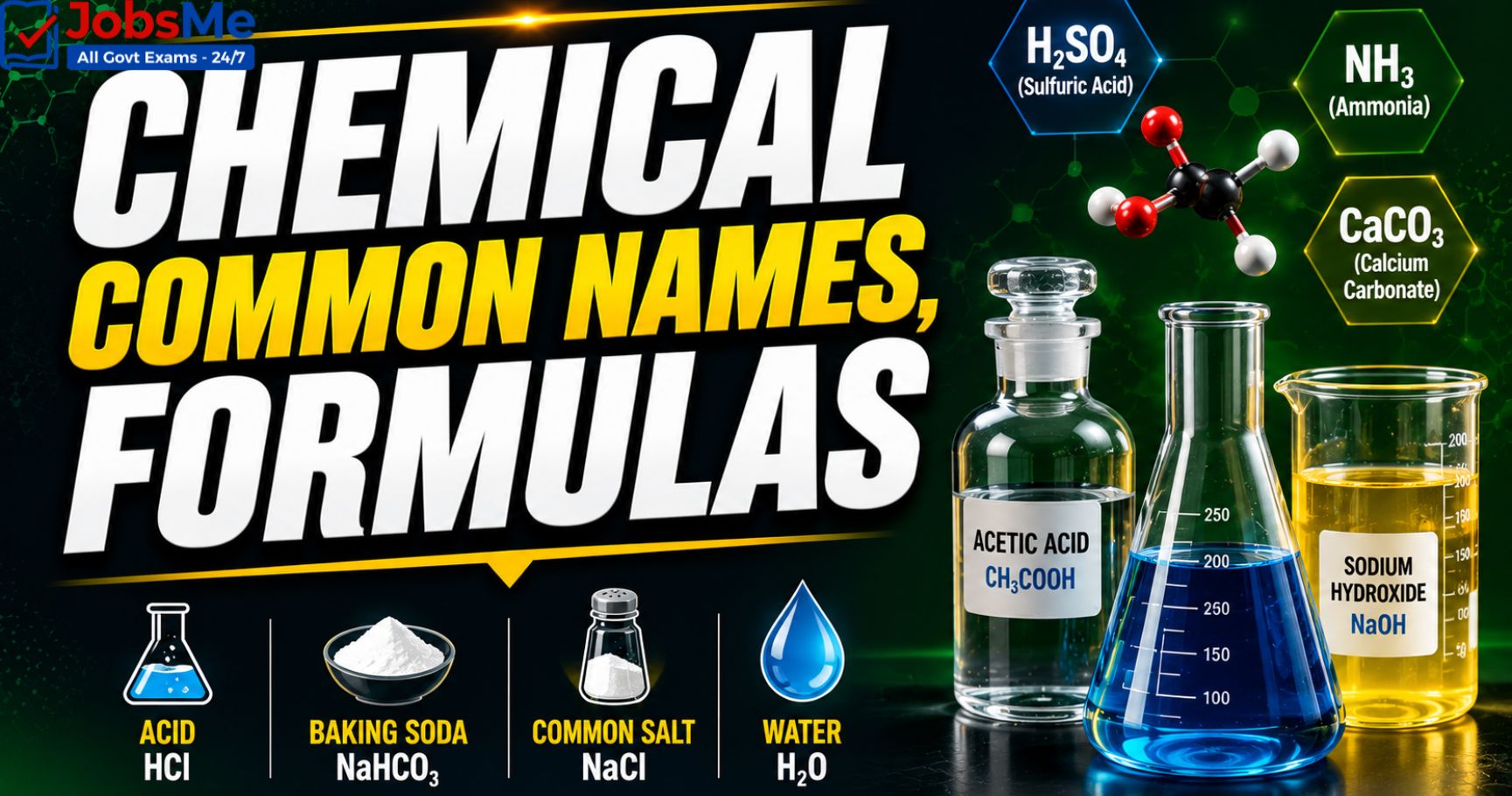
Jump to section
Introduction
Chemical Common Names and Formulas form an important and high-scoring section of the General Awareness portion of competitive exams. Substances we use every day — from Baking Soda in the kitchen to Bleaching Powder in laundry, Vinegar in pickles, Plaster of Paris in construction, and Quicksilver in thermometers — all have unique chemical names and formulas. Memorising these helps students answer fact-based questions quickly and accurately.
Questions on chemical common names appear regularly in SSC CGL, CHSL, MTS, CPO, IBPS PO, IBPS Clerk, SBI PO, RRB NTPC, RRB Group D, UPSC Prelims, State PCS, and various Insurance and Defence exams. Typical patterns include: "What is the chemical formula of Baking Soda?", "What is Quick Lime chemically known as?", or "Which compound is called Laughing Gas?". To explore other related Static GK topics, you can refer to the Static GK section on Jobsme.in.
This topic is also relevant to current affairs themes such as industrial chemistry, water treatment, fertiliser production, food preservation, and pharmaceutical formulations — making it doubly important for aspirants targeting UPSC Mains, Essay papers, and applied general awareness sections in banking and insurance exams.
Core Concepts: Understanding Chemical Names and Formulas
Every chemical substance has both a scientific (IUPAC or systematic) name and a commonly used everyday name. Understanding the relationship between the two is essential for exam preparation.
Key Definitions
- Chemical Compound: A pure substance made of two or more elements chemically combined in a fixed ratio (e.g., water — H₂O).
- Chemical Formula: A symbolic representation of a compound that shows the type and number of atoms of each element (e.g., NaCl = 1 Sodium + 1 Chlorine).
- Common Name (Trivial Name): The everyday or traditional name of a substance, often based on its source, appearance, or use (e.g., "Vinegar" for acetic acid solution).
- Scientific (IUPAC) Name: The standardised, internationally accepted chemical name based on the structure and composition (e.g., "Ethanoic Acid" for vinegar).
Types of Chemical Formulas
- Molecular Formula: Shows the exact number of atoms of each element in a molecule. Example: Glucose = C₆H₁₂O₆.
- Empirical Formula: Shows the simplest whole-number ratio of atoms. Example: Empirical formula of glucose = CH₂O.
- Structural Formula: Shows how atoms are connected and arranged in space.
Why This Topic Matters
- Most questions are direct one-mark facts — high scoring with low effort.
- Same compounds repeat across exams every year (Baking Soda, Quick Lime, Washing Soda, etc.).
- Knowledge of uses helps in eliminating wrong options in MCQs.
- Often combined with current affairs (e.g., chemical accidents, pollution control, vaccines).
Important Chemical Compounds with Common Names and Formulas
The following tables present the most exam-relevant chemical compounds grouped by category. Each entry includes the common name, scientific name, chemical formula, and primary use.
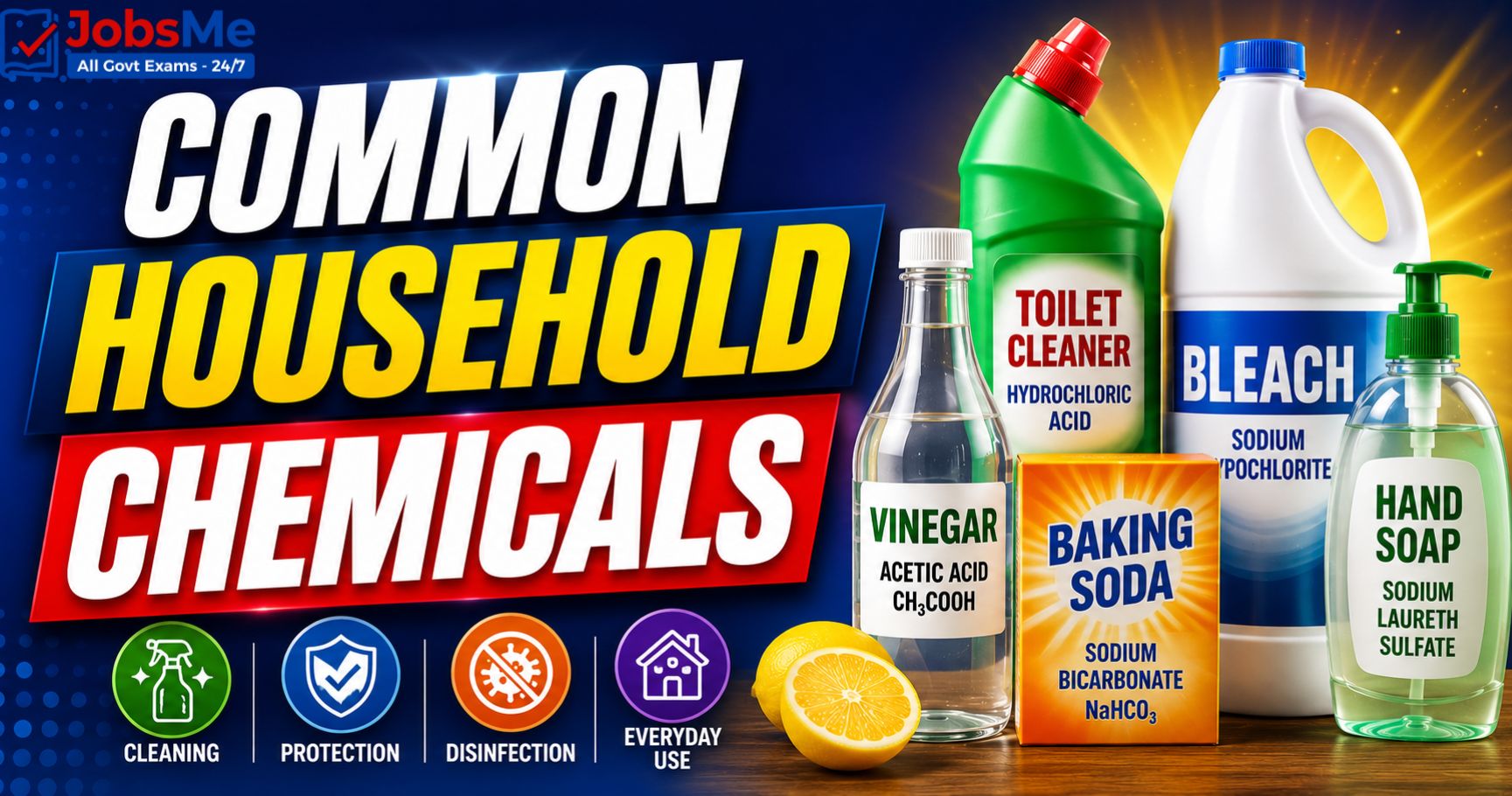
Common Household Chemicals
| Common Name | Scientific Name | Formula | Uses / Key Notes |
|---|---|---|---|
| Baking Soda | Sodium Bicarbonate / Sodium Hydrogen Carbonate | NaHCO₃ | Used in baking, antacid, fire extinguishers, neutralising acids. |
| Washing Soda | Sodium Carbonate Decahydrate | Na₂CO₃·10H₂O | Used in detergents and softening hard water. |
| Bleach | Sodium Hypochlorite | NaClO / NaOCl | Bleaching, disinfection, odour removal, water purification. |
| Bleaching Powder | Calcium Oxychloride / Calcium Hypochlorite | CaOCl₂ / Ca(ClO)₂ | Disinfectant for drinking water; bleaching of cotton and paper. |
| Vinegar | Acetic Acid (dilute) | CH₃COOH | Cooking, pickling, cleaning, weed control. |
| Common Salt / Table Salt | Sodium Chloride | NaCl | Cooking, food preservation, electrolyte balance. |
| Sugar | Sucrose | C₁₂H₂₂O₁₁ | Sweetener; used in food and pharmaceuticals. |
| Glucose / Corn Syrup | Dextrose | C₆H₁₂O₆ | Energy source; used in IV drips and bakery. |
| Fruit Sugar | Fructose | C₆H₁₂O₆ | Found naturally in fruits and honey. |
| Vitamin C | Ascorbic Acid | C₆H₈O₆ | Antioxidant; prevents scurvy; immune booster. |
| Aspirin | Acetylsalicylic Acid | C₉H₈O₄ | Pain reliever and anti-inflammatory. |
| Milk of Magnesia | Magnesium Hydroxide | Mg(OH)₂ | Antacid and laxative. |
| Epsom Salt | Magnesium Sulphate Heptahydrate | MgSO₄·7H₂O | Bath salt; relieves inflammation; laxative. |
| Hand Warmer | Sodium Acetate | NaC₂H₃O₂ / CH₃COONa | Reusable heating pads; food flavouring (salt-vinegar). |
| Hypo Solution (Photography) | Sodium Thiosulphate Pentahydrate | Na₂S₂O₃·5H₂O | Photographic fixer; neutralises chlorine in water. |
| Hydrogen Peroxide / Peroxide | Hydrogen Peroxide | H₂O₂ | Disinfectant, hair bleach, antiseptic. |
Construction, Industry, and Mineral Compounds
| Common Name | Scientific Name | Formula | Uses / Key Notes |
|---|---|---|---|
| Quick Lime / Burnt Lime | Calcium Oxide | CaO | Cement, steel making, water treatment, paper industry. |
| Slaked Lime | Calcium Hydroxide | Ca(OH)₂ | Whitewash, mortar, plaster; reduces soil acidity. |
| Limestone / Chalk / Marble | Calcium Carbonate | CaCO₃ | Building material; cement and antacid manufacture. |
| Gypsum | Calcium Sulphate Dihydrate | CaSO₄·2H₂O | Dry wall, Portland cement, soil conditioner. |
| Plaster of Paris | Calcium Sulphate Hemihydrate | CaSO₄·½H₂O | Setting fractures; making statues, surgical casts, walls. |
| Dolomite | Calcium Magnesium Carbonate | CaMg(CO₃)₂ | Glass, bricks, ceramics, building stone. |
| Magnesia | Magnesium Oxide | MgO | Antacid; refractory material in furnaces. |
| Quartz / Silica / Sand | Silicon Dioxide | SiO₂ | Glass making, electronics, watches, oscillators. |
| Carborundum | Silicon Carbide | SiC | Abrasive; automotive brakes and clutches. |
| Alumina | Aluminium Oxide | Al₂O₃ | Glass-making, paints, abrasion protection. |
| Alumina Hydrate | Aluminium Hydroxide | Al(OH)₃ | Fire retardant, water purification, antacid. |
| Flocculating Powder | Aluminium Sulphate | Al₂(SO₄)₃ | Water treatment, paper making, dyeing. |
| Potash Alum / Alum | Potassium Aluminium Sulphate Dodecahydrate | KAl(SO₄)₂·12H₂O | Water purification, leather tanning, styptic pencil, after-shave. |
| Rust / Hematite | Ferric Oxide / Iron(III) Oxide | Fe₂O₃ | Iron and steel, pigments, polishing. |
| Galena | Lead(II) Sulphide | PbS | Important ore of lead; pottery green glaze. |
| Litharge / Massicot | Lead(II) Oxide / Lead Monoxide | PbO | Lead glass, paints, enamels, inks. |
| Pyrolusite | Manganese Dioxide | MnO₂ | Dry-cell batteries; ceramic and glass pigment. |
| Cadmium Yellow | Cadmium Sulphide | CdS | Pigment, photo resistors, tattoo colour. |
| Titanium White | Titanium Dioxide | TiO₂ | Paint pigment, sunscreens, solar cells. |
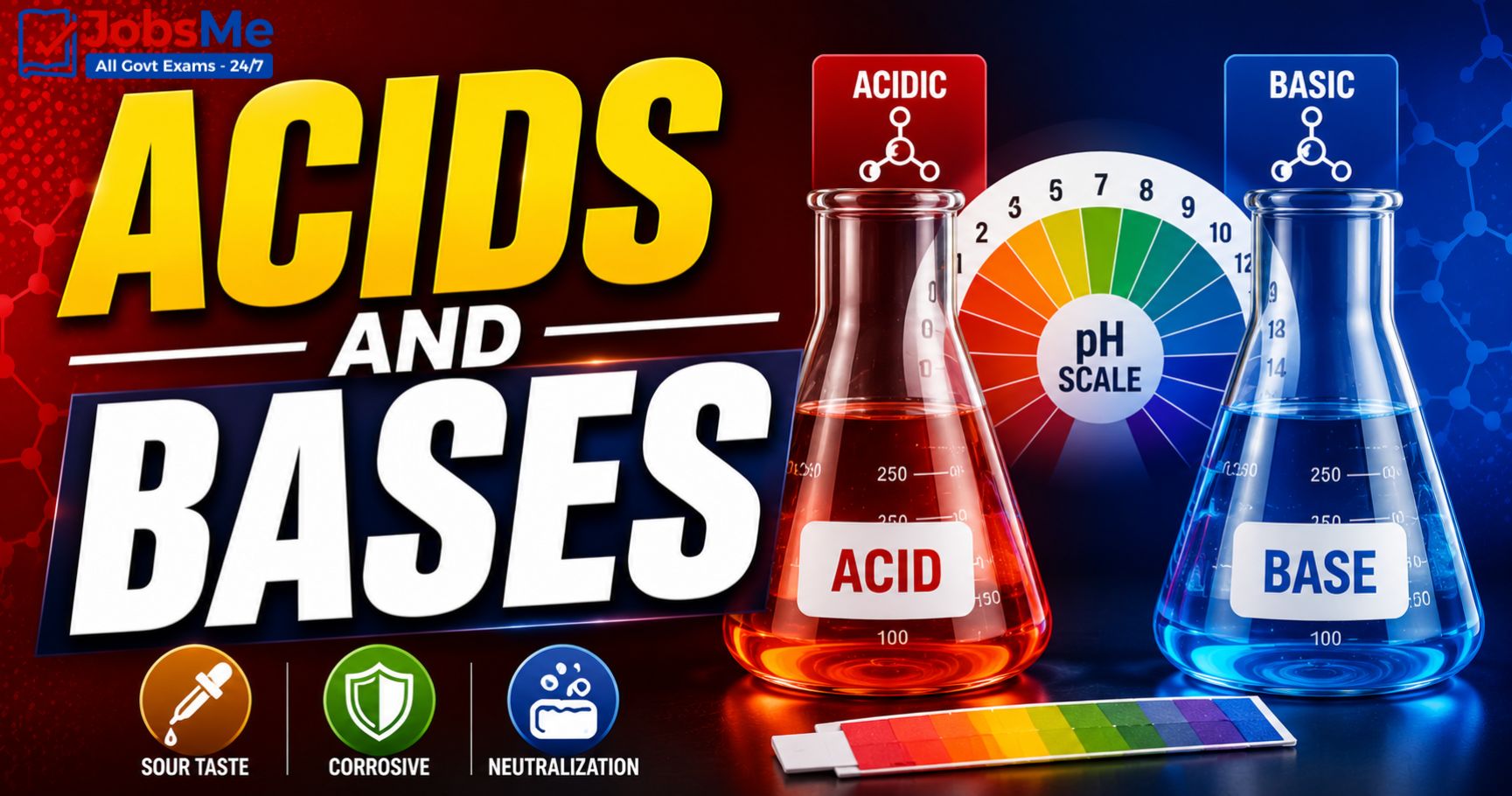
Acids and Bases
| Common Name | Scientific Name | Formula | Uses / Key Notes |
|---|---|---|---|
| Muriatic Acid | Hydrochloric Acid | HCl | Steel pickling, food additive, leather processing. |
| Aqua Fortis / Spirit of Niter | Nitric Acid | HNO₃ | Manufacture of explosives, fertilisers, plastics. |
| Oil of Vitriol / Vitriol | Sulphuric Acid | H₂SO₄ | Battery acid, fertiliser manufacture, refining. |
| White Vinegar | Acetic Acid (dilute) | CH₃COOH | Cooking, cleaning, photography. |
| Carbolic Acid / Phenic Acid | Phenol / Hydroxybenzene | C₆H₅OH | Disinfectant, antiseptic, resin manufacture. |
| Sour Salt | Citric Acid | C₆H₈O₇ | Soft drinks, cleaning agents, food preservatives. |
| Milk Acid | Lactic Acid | C₃H₆O₃ | Yoghurt fermentation, pharmaceuticals. |
| Methanoic Acid | Formic Acid | HCOOH | Livestock feed preservative, rubber production, limescale remover. |
| Rust Remover | Oxalic Acid | C₂H₂O₄ / H₂C₂O₄ | Cleaning agent, dye mordant, bleaching. |
| Wine Preservative | Tartaric Acid | C₄H₆O₆ | Effervescent salt, baking, wine industry. |
| Tannin | Tannic Acid | C₇₆H₅₂O₄₆ | Wood staining, beer clarification, leather tanning. |
| Carbonic Acid | Carbonic Acid | H₂CO₃ | Carbonated drinks; weak acid in blood buffer. |
| Hydrocyanic Acid / Prussic Acid | Hydrocyanic Acid | HCN | Industrial chemical (highly poisonous). |
| Boric Acid | Boric Acid | H₃BO₃ | Antiseptic, insecticide (ant/roach killer), pyrotechnics. |
| Phosphoric Acid | Phosphoric Acid | H₃PO₄ | Food acidulant, rust removal, fertilizers. |
| Lye / Caustic Soda | Sodium Hydroxide | NaOH | Soap making, paper, drain cleaner, biodiesel. |
| Caustic Potash | Potassium Hydroxide | KOH | Liquid fertilizers, soft soaps, alkaline batteries. |
| Ammonia | Ammonium Hydroxide | NH₃ / NH₄OH | Fertilizers, household cleaner, refrigeration. |
Fertilizers, Salts, and Agricultural Chemicals
| Common Name | Scientific Name | Formula | Uses / Key Notes |
|---|---|---|---|
| Chile Saltpetre | Sodium Nitrate | NaNO₃ | Fertilizer, glass, explosives. |
| Saltpetre / Salt Peter | Potassium Nitrate | KNO₃ | Gunpowder, food preservative, fertilizer. |
| Norwegian Saltpetre | Calcium Nitrate | Ca(NO₃)₂·4H₂O | Fertilizer, wastewater treatment, concrete. |
| Sal Ammoniac | Ammonium Chloride | NH₄Cl | Soldering flux, dry-cell batteries, cleaning agent. |
| Smelling Salts | Ammonium Carbonate | (NH₄)₂CO₃ | Smelling salts; leavening; cough syrups. |
| Baker's Ammonia | Ammonium Bicarbonate | NH₄HCO₃ | Leavening agent for biscuits; nitrogen fertilizer. |
| Ammonium Nitrate | Ammonium Nitrate | NH₄NO₃ | Fertilizers and explosives. |
| Ammonium Phosphate | Ammonium Phosphate | (NH₄)₃PO₄ | Fertilizer used in gardens and farms. |
| Urea (Ice Melter) | Carbamide / Urea | CO(NH₂)₂ / H₂NCONH₂ | Nitrogen fertilizer, plywood, cosmetics. |
| Blue Vitriol | Copper Sulphate Pentahydrate | CuSO₄·5H₂O | Fungicide, algaecide, electroplating, blood testing. |
| Green Vitriol | Ferrous Sulphate Heptahydrate | FeSO₄·7H₂O | Iron tonic, sewage treatment, pigment. |
| White Vitriol | Zinc Sulphate Heptahydrate | ZnSO₄·7H₂O | Agricultural sprays, wood preservation. |
| Mohr's Salt | Ammonium Iron(II) Sulphate Hexahydrate | (NH₄)₂Fe(SO₄)₂·6H₂O | Lab reagent; reduces iron oxidation; volumetric analysis. |
| Glauber's Salt | Sodium Sulphate Decahydrate | Na₂SO₄·10H₂O | Medicine, dyeing, solar heat storage. |
| Rochelle Salt | Potassium Sodium Tartrate | KNaC₄H₄O₆·4H₂O | Manufacture of pectins, gelatins, mirror silvering. |
| Cream of Tartar | Potassium Hydrogen Tartrate / Potassium Bitartrate | KC₄H₅O₆ | Stabilising egg whites; baking powder ingredient. |
| Borax | Sodium Tetraborate Decahydrate / Sodium Borate | Na₂B₄O₇·10H₂O | Laundry detergent, antiseptic, glass making. |
| Potash | Potassium Carbonate | K₂CO₃ | Soap, glass, fertilizer, water softener. |
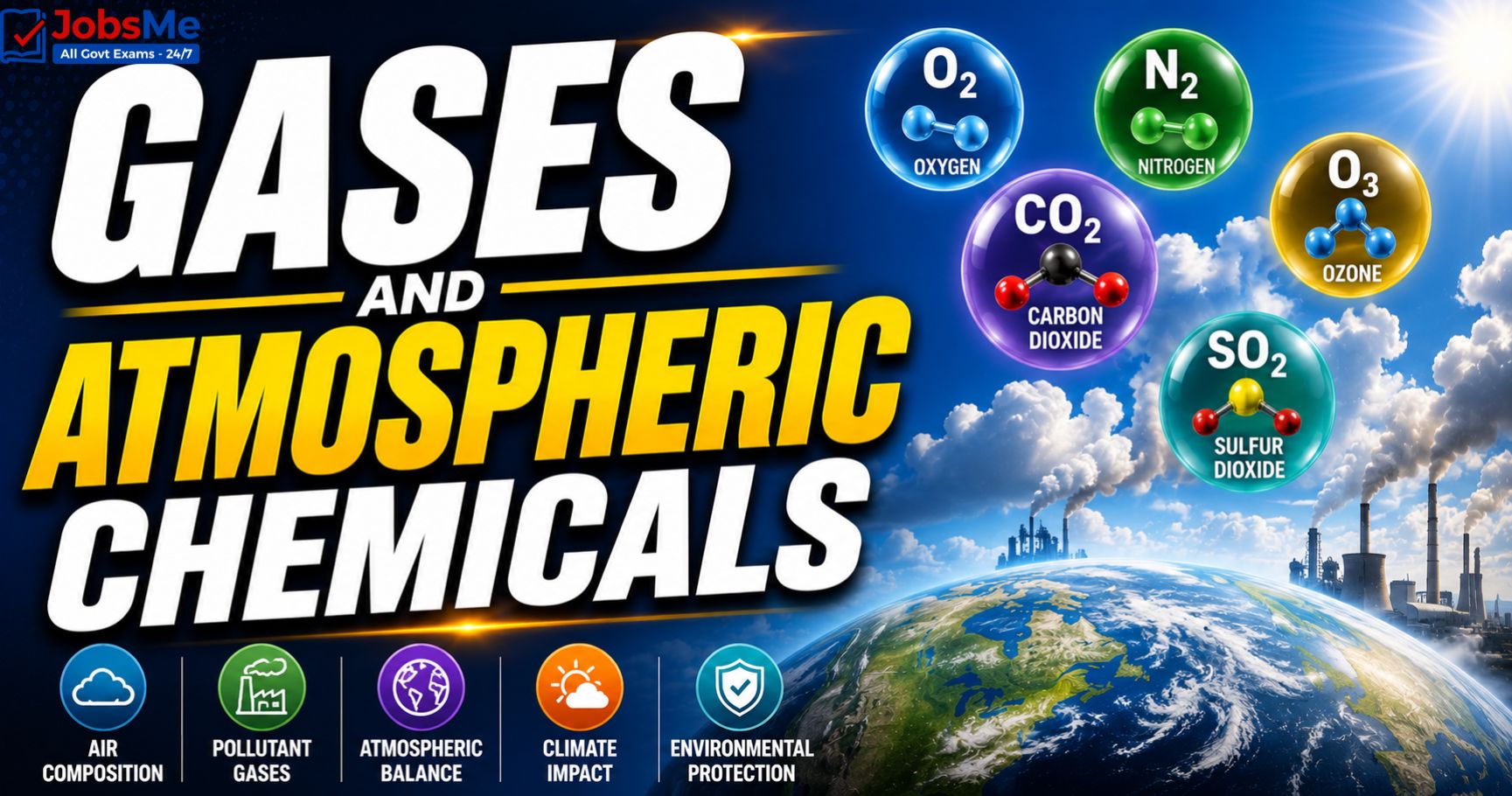
Gases and Atmospheric Chemicals
| Common Name | Scientific Name | Formula | Uses / Key Notes |
|---|---|---|---|
| Marsh Gas / Natural Gas | Methane | CH₄ | Fuel, found in mines, greenhouse gas. |
| Laughing Gas | Nitrous Oxide / Dinitrogen Monoxide | N₂O | Dental anaesthetic, rocket oxidizer, aerosol propellant. |
| Ethyne / Acetylene Gas | Acetylene | C₂H₂ | Welding, portable lighting, organic synthesis. |
| Ethylene | Ethylene / Ethene | C₂H₄ | Fruit ripening agent; plastics (polyethylene). |
| Propane | Propane | C₃H₈ | LPG component; cooking and heating fuel. |
| Butane | Butane | C₄H₁₀ | Lighter fuel, LPG, aerosol propellant. |
| Dry Ice | Solid Carbon Dioxide | CO₂ | Refrigerant, food preservation, fog effects. |
| Carbon Monoxide | Carbon Monoxide | CO | Toxic gas; used in metallurgy. |
| Freon-12 / CFC-12 | Dichlorodifluoromethane | CCl₂F₂ | Refrigerant (banned under Montreal Protocol). |
| Phosgene | Carbonyl Dichloride | COCl₂ | Used in plastics and pesticides (highly toxic). |
| Liquid Nitrogen | Nitrogen | N₂ | Cryogenics, food freezing, electronics. |
| Oxygen | Oxygen | O₂ | Respiration, welding, steel making. |
| Ozone | Trioxygen | O₃ | Protective layer; water disinfection. |
| Hydrogen Gas | Hydrogen | H₂ | Fuel cells, ammonia synthesis, rockets. |
| Helium Gas | Helium | He | Balloons, MRI machines, deep-sea diving mix. |
| Argon Gas | Argon | Ar | Inert filler in light bulbs and welding. |
Organic and Solvent Compounds
| Common Name | Scientific Name | Formula | Uses / Key Notes |
|---|---|---|---|
| Chloroform | Trichloromethane | CHCl₃ | Solvent; historic anaesthetic. |
| Methylene Chloride | Dichloromethane | CH₂Cl₂ | Paint stripper, decaffeinating coffee. |
| Carbon Tetrachloride | Tetrachloromethane | CCl₄ | Solvent; used in fire extinguishers (banned for ozone). |
| Ethanol / Everclear | Ethyl Alcohol | C₂H₅OH | Antiseptic, fuel, alcoholic beverages. |
| Methyl Alcohol | Methanol | CH₃OH | Fuel, antifreeze, solvent (poisonous). |
| Isopropyl Alcohol | 2-Propanol | (CH₃)₂CHOH | Rubbing alcohol; antiseptic; sanitiser. |
| Glycerin / Glycerol | Propane-1,2,3-triol | C₃H₈O₃ | Cosmetics, food industry, pharmaceuticals. |
| Ethoxyethane | Diethyl Ether / Ether | (C₂H₅)₂O | Anaesthetic, solvent, flavouring. |
| Acetone | Propanone | CH₃COCH₃ / C₃H₆O | Nail polish remover, solvent. |
| Butanone / MEK | Methyl Ethyl Ketone | C₄H₈O | Paint manufacture; industrial solvent. |
| Cellulose Thinner | Toluene / Methylbenzene | C₆H₅CH₃ / C₇H₈ | Paint thinner, fuel, solvent. |
| Xylene | Dimethylbenzene | C₈H₁₀ | Paints, varnishes, printing. |
| Naphthalene / Moth Balls | Naphthalene | C₁₀H₈ | Insect repellent, fumigant. |
| Para-dichlorobenzene / Moth Crystals | 1,4-Dichlorobenzene | C₆H₄Cl₂ | Disinfectant, pesticide, deodorant. |
| Cornstarch | Amylose | (C₆H₉O₅)ₙ | Cooking, sizing in textiles, adhesives. |
| Cellulose | Cellulose | (C₆H₁₀O₅)ₙ | Paper, fibres, biofuel, gunpowder. |
| Oil of Clove | Eugenol | C₁₀H₁₂O₂ | Perfumes, flavourings, dental antiseptic. |
| Wintergreen Oil | Methyl Salicylate | C₈H₈O₃ | Topical analgesic; flavouring. |
| Kerosene | Kerosene | CₙH₂ₙ₊₁ (n=12-16) | Lamps, jet fuel, paint industry. |
| Paraffin | Paraffin Wax / Alkanes | CₙH₂ₙ₊₂ (n > 19) | Candles, cosmetics, lubricants. |
| Candle Hardener | Stearic Acid | C₁₇H₃₅COOH / C₁₈H₃₆O₂ | Soaps, cosmetics, lubricants. |
Elements and Pure Substances
| Common Name | Scientific Name | Formula | Uses / Key Notes |
|---|---|---|---|
| Quicksilver | Mercury | Hg | Thermometers, barometers, vermilion pigment. |
| Gold | Gold | Au | Jewellery, electronics, dentistry, currency reserve. |
| Silver | Silver | Ag | Jewellery, photography, antibacterial coatings. |
| Copper | Copper | Cu | Electric wiring, coins, alloys, plumbing. |
| Iron | Iron | Fe | Construction, hardware, haemoglobin (in body). |
| Aluminium | Aluminium | Al | Aircraft, cookware, window frames, foil. |
| Zinc | Zinc | Zn | Galvanizing iron, alloys (brass), dry-cell batteries. |
| Lead | Lead | Pb | Batteries, radiation shielding, pigments. |
| Tin | Tin | Sn | Tin-plating, alloys (bronze, solder). |
| Sulphur / Brimstone | Sulphur | S | Sulphuric acid, gunpowder, vulcanization of rubber. |
| Charcoal / Graphite / Diamond | Carbon (allotropes) | C | Fuel, pencils, jewellery, electrodes. |
| Iodine | Iodine | I₂ | Antiseptic, thyroid health, water purification. |
| Chlorine | Chlorine | Cl₂ | Water disinfection, bleach, PVC. |
| Bromine | Bromine | Br₂ | Flame retardants, dyes, pharmaceuticals. |
| Fluorine | Fluorine | F₂ | Toothpaste fluoride; uranium enrichment. |
| Tungsten / Wolfram | Tungsten | W | Light bulb filaments, high-speed steel. |
| Lithium | Lithium | Li | Rechargeable batteries, mood-stabilising drugs. |
| Magnesium / Fire Starter | Magnesium | Mg | Flares, aircraft, fireworks. |
| Nickel | Nickel | Ni | Coins, utensils, stainless steel alloys. |
| Bismuth | Bismuth | Bi | Non-toxic shot, pharmaceuticals. |
Pigments, Dyes, and Special-Purpose Compounds
| Common Name | Scientific Name | Formula | Uses / Key Notes |
|---|---|---|---|
| Vermilion / Cinnabar | Mercuric Sulphide | HgS | Red pigment; sindoor; jewellery carving. |
| Calomel | Mercurous Chloride | Hg₂Cl₂ | Fungicide; historic purgative. |
| Heavy Water | Deuterium Oxide | D₂O | Neutron moderator in nuclear reactors. |
| Lithopone | Barium Sulphate | BaSO₄ | X-ray imaging, paper brightener, paints. |
| TNT | Trinitrotoluene | C₆H₂(NO₂)₃CH₃ / C₇H₅N₃O₆ | Military explosives, shells, grenades. |
| Dynamite | Nitroglycerine-based explosive | — | Mining and demolition (invented by Alfred Nobel). |
| MSG | Monosodium Glutamate | C₅H₈NO₄Na | Flavour enhancer in food. |
| No-Doz | Caffeine | C₈H₁₀N₄O₂ | Stimulant in coffee, tea, cola. |
| Camphor | Camphor | C₁₀H₁₆O | Medicinal, religious use, mothballs. |
| Phenolphthalein | Phenolphthalein | C₂₀H₁₄O₄ | pH indicator (colourless to pink); laxative. |
| Methylene Blue | Methylene Blue | C₁₆H₁₈ClN₃S | Biological stain; antidote for methaemoglobinemia. |
| Bromothymol Blue | Bromothymol Blue | C₂₇H₂₈Br₂O₅S | pH indicator for photosynthesis experiments. |
| Methidote | Methylene Blue | C₁₆H₁₈ClN₃S | Used as antidote; biological staining. |
| Soldering Flux | Ammonium Chloride | NH₄Cl | Used in plumbing, soldering, dry cells. |
| Etching Solution | Ammonium Persulphate / Ferric Chloride | (NH₄)₂S₂O₈ / FeCl₃ | Circuit board etching; hair bleaching. |
| Tinner's Fluid | Zinc Chloride | ZnCl₂ | Soldering flux, disinfectant. |
| Casting Resin | Polystyrene | (C₈H₈)ₙ | Food packaging, insulation, hardware. |
| Polyurethane Foam | Polyurethane | C₂₇H₃₆N₂O₁₀ | Furniture, mattresses, insulation. |
Memory Tricks and Mnemonics for Chemical Compounds
Trick 1: Baking Soda vs Washing Soda - "BWB" Rule
- Baking Soda → Sodium Bicarbonate → NaHCO₃ (1 H).
- Washing Soda → Sodium Carbonate Decahydrate → Na₂CO₃·10H₂O (no H in core).
Tip: "Baking has H (NaH-CO₃), Washing has none (Na₂CO₃)."
Trick 2: Three "Vitriols" - Colour Code
- Blue Vitriol → CuSO₄·5H₂O (Copper Sulphate).
- Green Vitriol → FeSO₄·7H₂O (Ferrous Sulphate).
- White Vitriol → ZnSO₄·7H₂O (Zinc Sulphate).
- Oil of Vitriol → H₂SO₄ (Sulphuric Acid).
Tip: "Blue-Cu, Green-Fe, White-Zn, Oil = Acid."
Trick 3: Three "Limes" of Calcium - "QSL"
- Quick Lime → CaO (Calcium Oxide).
- Slaked Lime → Ca(OH)₂ (Calcium Hydroxide).
- Limestone → CaCO₃ (Calcium Carbonate).
Tip: "Quick = Oxide, Slaked = Hydroxide, Stone = Carbonate."
Trick 4: Gypsum vs Plaster of Paris - "Water Difference"
- Gypsum → CaSO₄·2H₂O.
- Plaster of Paris → CaSO₄·½H₂O.
Tip: "Plaster of Paris is Half-Hydrated Gypsum — heat Gypsum, lose water."
Trick 5: The "Salts" - Quick Look
- Epsom Salt → MgSO₄·7H₂O (Magnesium Sulphate).
- Glauber's Salt → Na₂SO₄·10H₂O (Sodium Sulphate).
- Mohr's Salt → (NH₄)₂Fe(SO₄)₂·6H₂O (Ammonium Ferrous Sulphate).
- Rochelle Salt → KNaC₄H₄O₆·4H₂O (Potassium Sodium Tartrate).
- Common Salt → NaCl.
Tip: "Epsom-Mg, Glauber-Na, Mohr-Fe, Rochelle-K&Na, Common-Na."
Trick 6: Famous Acids - "VVN" (Vinegar-Vitriol-Nitric)
- Vinegar → Acetic Acid (CH₃COOH).
- Vitriol (Oil of) → Sulphuric Acid (H₂SO₄).
- Nitric Acid (Aqua Fortis) → HNO₃.
- Muriatic Acid → Hydrochloric Acid (HCl).
Trick 7: Confusing Twins - "Bleach Family"
- Bleach → Sodium Hypochlorite (NaClO) — liquid.
- Bleaching Powder → Calcium Oxychloride / Calcium Hypochlorite (CaOCl₂ / Ca(ClO)₂) — solid.
Tip: "Liquid = Na (Sodium), Powder = Ca (Calcium)."
Trick 8: Gases with Funny Names - "MLD-DC"
- Marsh Gas → Methane (CH₄).
- Laughing Gas → Nitrous Oxide (N₂O).
- Dry Ice → Solid CO₂.
- Deuterium Oxide → Heavy Water (D₂O).
- Carborundum → Silicon Carbide (SiC).
Trick 9: Mercury Compounds - "VCQ"
- Vermilion / Cinnabar → HgS (Mercuric Sulphide).
- Calomel → Hg₂Cl₂ (Mercurous Chloride).
- Quicksilver → Hg (Mercury metal).
Trick 10: "Mother" Compounds - Mineral Names
- Galena → PbS (Lead Sulphide).
- Hematite → Fe₂O₃ (Ferric Oxide / Rust).
- Pyrolusite → MnO₂ (Manganese Dioxide).
- Dolomite → CaMg(CO₃)₂.
- Quartz / Silica → SiO₂.
Tip: "GHP-DQ — Galena-Lead, Hematite-Iron, Pyrolusite-Manganese, Dolomite-Calcium+Magnesium, Quartz-Silicon."
Additional Notes
Frequently Confused Facts
- Baking Soda vs Baking Powder: Baking Soda is pure NaHCO₃; Baking Powder is NaHCO₃ + an acidifier (often potassium bitartrate) — not the same.
- Caustic Soda vs Caustic Potash: Caustic Soda = NaOH (Sodium Hydroxide); Caustic Potash = KOH (Potassium Hydroxide).
- Quick Lime vs Slaked Lime: Quick Lime = CaO; Slaked Lime = Ca(OH)₂ — made by adding water to CaO.
- Gypsum vs Plaster of Paris: Gypsum = CaSO₄·2H₂O; POP = CaSO₄·½H₂O — POP is partially dehydrated gypsum.
- Vermilion vs Calomel: Vermilion = HgS (red pigment); Calomel = Hg₂Cl₂ (fungicide).
- Bleach vs Bleaching Powder: Bleach = NaClO (liquid); Bleaching Powder = CaOCl₂ (solid).
- Marsh Gas vs Laughing Gas: Marsh Gas = CH₄ (methane); Laughing Gas = N₂O (nitrous oxide).
- Dry Ice vs Heavy Water: Dry Ice = solid CO₂; Heavy Water = D₂O (used in nuclear reactors).
- Glauber's Salt vs Epsom Salt: Glauber's = Na₂SO₄·10H₂O; Epsom = MgSO₄·7H₂O.
- Borax vs Boric Acid: Borax = Na₂B₄O₇·10H₂O (laundry); Boric Acid = H₃BO₃ (insecticide, antiseptic).
- Aqua Fortis vs Aqua Regia: Aqua Fortis = HNO₃ alone; Aqua Regia = 3 HCl + 1 HNO₃ (dissolves gold).
- Three Allotropes of Carbon: Diamond, Graphite, and Charcoal — all are pure C but with different structures.
- Three Oxygen Compounds: O₂ (oxygen), O₃ (ozone), and H₂O₂ (hydrogen peroxide).
- Phosgene vs Phosphine: Phosgene = COCl₂ (war gas); Phosphine = PH₃ (used in fumigation).
- Methanol vs Ethanol: Methanol = CH₃OH (poisonous, "wood alcohol"); Ethanol = C₂H₅OH (drinkable, "grain alcohol").
- Hard Water vs Heavy Water: Hard Water contains Ca²⁺/Mg²⁺ salts; Heavy Water is D₂O.
Repeating PYQ Patterns
- SSC CGL and CHSL: Direct "Common name → Chemical formula" matching; Baking Soda, Washing Soda, Bleaching Powder, Quick Lime, Plaster of Paris, and Vinegar are repeat favourites.
- IBPS PO and Clerk: Frequently asks about Vitriols (Blue, Green, White), Mohr's Salt, and Heavy Water.
- RRB NTPC and Group D: Marsh Gas, Laughing Gas, Dry Ice, Quicksilver, and Vermilion are repeatedly tested.
- UPSC Prelims: Focuses on industrial chemistry — Aqua Fortis, Aqua Regia, Phosgene, Heavy Water, and CFCs (Freon).
- State PCS: Mineral-related compounds (Galena, Hematite, Dolomite, Cinnabar) and fertilisers (Urea, Saltpetre).
- Insurance Exams (LIC AAO, NIACL): Everyday-use chemicals — Aspirin, Caffeine, Vitamin C, Hydrogen Peroxide.
Quick Insight
Chemical compounds are increasingly relevant in current affairs — chemical accidents (Vizag gas leak, Bhopal disaster legacy), ozone depletion (CFCs, Freon), water purification (Alum, Bleaching Powder), and pharmaceutical breakthroughs (vaccines, antibiotics, vitamins). Aspirants should regularly track news about chemical safety, fertiliser subsidies, and pharmaceutical regulations. For the latest updates, follow the daily current affairs section on Jobsme.in.
This topic also pairs well with related Static GK areas such as Nuclear Power Plants in India (where Heavy Water plays a key role) and Types of Soil in India (where fertilisers, Urea, and Gypsum are widely used).
One-Liners for Quick Revision
- Baking Soda → Sodium Bicarbonate → NaHCO₃ → Used in baking, antacid, fire extinguishers.
- Washing Soda → Sodium Carbonate Decahydrate → Na₂CO₃·10H₂O → Used in laundry, water softening.
- Bleach → Sodium Hypochlorite → NaClO → Disinfection, surface bleaching.
- Bleaching Powder → Calcium Oxychloride / Calcium Hypochlorite → CaOCl₂ / Ca(ClO)₂ → Water disinfection, cotton bleaching.
- Vinegar → Acetic Acid → CH₃COOH → Cooking, cleaning.
- Common Salt → Sodium Chloride → NaCl → Cooking, food preservation.
- Sugar → Sucrose → C₁₂H₂₂O₁₁ → Sweetener.
- Glucose → Dextrose → C₆H₁₂O₆ → Energy source.
- Fruit Sugar → Fructose → C₆H₁₂O₆ → Found in fruits.
- Vitamin C → Ascorbic Acid → C₆H₈O₆ → Prevents scurvy.
- Aspirin → Acetylsalicylic Acid → C₉H₈O₄ → Pain relief.
- Milk of Magnesia → Magnesium Hydroxide → Mg(OH)₂ → Antacid, laxative.
- Epsom Salt → Magnesium Sulphate Heptahydrate → MgSO₄·7H₂O → Bath salt.
- Hand Warmer → Sodium Acetate → NaC₂H₃O₂ → Reusable heating pads.
- Hypo Solution → Sodium Thiosulphate Pentahydrate → Na₂S₂O₃·5H₂O → Photographic fixer.
- Hydrogen Peroxide → H₂O₂ → Disinfectant, hair bleach.
- Quick Lime / Burnt Lime → Calcium Oxide → CaO → Cement, steel making.
- Slaked Lime → Calcium Hydroxide → Ca(OH)₂ → Whitewash, mortar.
- Limestone / Chalk / Marble → Calcium Carbonate → CaCO₃ → Cement, building.
- Gypsum → Calcium Sulphate Dihydrate → CaSO₄·2H₂O → Drywall, cement.
- Plaster of Paris → Calcium Sulphate Hemihydrate → CaSO₄·½H₂O → Casts, statues.
- Dolomite → Calcium Magnesium Carbonate → CaMg(CO₃)₂ → Glass, bricks.
- Magnesia → Magnesium Oxide → MgO → Antacid, refractory.
- Quartz / Silica / Sand → Silicon Dioxide → SiO₂ → Glass, watches.
- Carborundum → Silicon Carbide → SiC → Abrasive, brakes.
- Alumina → Aluminium Oxide → Al₂O₃ → Glass, paints.
- Alumina Hydrate → Aluminium Hydroxide → Al(OH)₃ → Fire retardant, antacid.
- Flocculating Powder → Aluminium Sulphate → Al₂(SO₄)₃ → Water treatment.
- Potash Alum / Alum → Potassium Aluminium Sulphate Dodecahydrate → KAl(SO₄)₂·12H₂O → Water purification, styptic pencil.
- Hematite / Rust → Ferric Oxide → Fe₂O₃ → Iron and steel making.
- Galena → Lead(II) Sulphide → PbS → Ore of lead.
- Litharge / Massicot → Lead(II) Oxide → PbO → Lead glass, paints.
- Pyrolusite → Manganese Dioxide → MnO₂ → Dry-cell batteries.
- Cadmium Yellow → Cadmium Sulphide → CdS → Pigment.
- Titanium White → Titanium Dioxide → TiO₂ → Paint pigment, sunscreen.
- Muriatic Acid → Hydrochloric Acid → HCl → Steel pickling.
- Aqua Fortis → Nitric Acid → HNO₃ → Explosives, fertilisers.
- Oil of Vitriol → Sulphuric Acid → H₂SO₄ → Battery acid, fertilisers.
- Carbolic Acid / Phenic Acid → Phenol → C₆H₅OH → Disinfectant.
- Sour Salt → Citric Acid → C₆H₈O₇ → Soft drinks, cleaning.
- Milk Acid → Lactic Acid → C₃H₆O₃ → Yoghurt fermentation.
- Methanoic Acid → Formic Acid → HCOOH → Limescale remover.
- Rust Remover → Oxalic Acid → C₂H₂O₄ → Cleaning agent.
- Wine Preservative → Tartaric Acid → C₄H₆O₆ → Baking, wine.
- Tannin → Tannic Acid → C₇₆H₅₂O₄₆ → Leather tanning.
- Boric Acid → H₃BO₃ → Antiseptic, insecticide.
- Phosphoric Acid → H₃PO₄ → Food acidulant, fertilizers.
- Caustic Soda / Lye → Sodium Hydroxide → NaOH → Soap, paper.
- Caustic Potash → Potassium Hydroxide → KOH → Soft soaps.
- Ammonia → Ammonium Hydroxide → NH₃ / NH₄OH → Fertilizers, cleaner.
- Chile Saltpetre → Sodium Nitrate → NaNO₃ → Glass, fertilizer.
- Saltpetre → Potassium Nitrate → KNO₃ → Gunpowder, food preservative.
- Norwegian Saltpetre → Calcium Nitrate → Ca(NO₃)₂·4H₂O → Fertilizer.
- Sal Ammoniac → Ammonium Chloride → NH₄Cl → Soldering flux, dry cells.
- Smelling Salts → Ammonium Carbonate → (NH₄)₂CO₃ → Cough syrup, leavening.
- Baker's Ammonia → Ammonium Bicarbonate → NH₄HCO₃ → Leavening agent.
- Ammonium Nitrate → NH₄NO₃ → Fertilizers and explosives.
- Ammonium Phosphate → (NH₄)₃PO₄ → Fertilizer.
- Urea → Carbamide → CO(NH₂)₂ → Nitrogen fertilizer.
- Blue Vitriol → Copper Sulphate Pentahydrate → CuSO₄·5H₂O → Fungicide, algaecide.
- Green Vitriol → Ferrous Sulphate Heptahydrate → FeSO₄·7H₂O → Iron tonic.
- White Vitriol → Zinc Sulphate Heptahydrate → ZnSO₄·7H₂O → Wood preservative.
- Mohr's Salt → Ammonium Iron(II) Sulphate Hexahydrate → (NH₄)₂Fe(SO₄)₂·6H₂O → Lab reagent.
- Glauber's Salt → Sodium Sulphate Decahydrate → Na₂SO₄·10H₂O → Medicine, dye.
- Rochelle Salt → Potassium Sodium Tartrate → KNaC₄H₄O₆·4H₂O → Pectins, mirror.
- Cream of Tartar → Potassium Bitartrate → KC₄H₅O₆ → Baking stabiliser.
- Borax → Sodium Tetraborate Decahydrate → Na₂B₄O₇·10H₂O → Laundry detergent.
- Potash → Potassium Carbonate → K₂CO₃ → Soap, glass.
- Marsh Gas → Methane → CH₄ → Fuel; found in mines.
- Laughing Gas → Nitrous Oxide → N₂O → Dental anaesthetic.
- Ethyne → Acetylene → C₂H₂ → Welding fuel.
- Ethylene → C₂H₄ → Fruit ripening, plastics.
- Propane → C₃H₈ → LPG component.
- Butane → C₄H₁₀ → Lighter fuel.
- Dry Ice → Solid CO₂ → Refrigerant, food preservation.
- Carbon Monoxide → CO → Toxic gas; metallurgy.
- Freon-12 / CFC-12 → Dichlorodifluoromethane → CCl₂F₂ → Banned refrigerant.
- Phosgene → Carbonyl Dichloride → COCl₂ → Toxic war gas.
- Liquid Nitrogen → N₂ → Cryogenics.
- Ozone → O₃ → Protective atmospheric layer.
- Argon Gas → Ar → Inert filler in light bulbs.
- Helium → He → Balloons, MRI machines.
- Hydrogen → H₂ → Fuel cells, rockets.
- Chloroform → Trichloromethane → CHCl₃ → Solvent, historic anaesthetic.
- Methylene Chloride → Dichloromethane → CH₂Cl₂ → Paint stripper.
- Carbon Tetrachloride → CCl₄ → Solvent; old fire extinguisher.
- Ethanol → Ethyl Alcohol → C₂H₅OH → Antiseptic, alcoholic beverages.
- Methanol → Methyl Alcohol → CH₃OH → Fuel; poisonous.
- Isopropyl Alcohol → (CH₃)₂CHOH → Rubbing alcohol.
- Glycerin / Glycerol → C₃H₈O₃ → Cosmetics, food.
- Diethyl Ether → (C₂H₅)₂O → Anaesthetic.
- Acetone → Propanone → CH₃COCH₃ → Nail polish remover.
- Butanone / MEK → C₄H₈O → Paint manufacture.
- Toluene → C₆H₅CH₃ → Paint thinner.
- Xylene → C₈H₁₀ → Paints, varnishes.
- Naphthalene → Moth Balls → C₁₀H₈ → Insect repellent.
- Para-dichlorobenzene → Moth Crystals → C₆H₄Cl₂ → Pesticide.
- Cornstarch → Amylose → (C₆H₉O₅)ₙ → Cooking.
- Cellulose → (C₆H₁₀O₅)ₙ → Paper, fibres.
- Oil of Clove → Eugenol → C₁₀H₁₂O₂ → Dental antiseptic.
- Wintergreen Oil → Methyl Salicylate → C₈H₈O₃ → Topical analgesic.
- Kerosene → CₙH₂ₙ₊₁ (n=12-16) → Lamps, jet fuel.
- Paraffin → CₙH₂ₙ₊₂ (n > 19) → Candles.
- Stearic Acid → C₁₇H₃₅COOH → Candle hardener, soaps.
- Quicksilver → Mercury → Hg → Thermometers, barometers.
- Gold → Au → Jewellery, electronics.
- Silver → Ag → Jewellery, photography.
- Copper → Cu → Electric wiring, coins.
- Iron → Fe → Construction, haemoglobin.
- Aluminium → Al → Aircraft, cookware.
- Zinc → Zn → Galvanizing, batteries.
- Lead → Pb → Batteries, shielding.
- Brimstone / Sulphur → S → Sulphuric acid, gunpowder.
- Tungsten / Wolfram → W → Light bulb filaments.
- Lithium → Li → Rechargeable batteries.
- Magnesium → Mg → Flares, aircraft.
- Vermilion / Cinnabar → Mercuric Sulphide → HgS → Red pigment, sindoor.
- Calomel → Mercurous Chloride → Hg₂Cl₂ → Fungicide.
- Heavy Water → Deuterium Oxide → D₂O → Nuclear reactor moderator.
- Lithopone → Barium Sulphate → BaSO₄ → X-ray imaging.
- TNT → Trinitrotoluene → C₇H₅N₃O₆ → Military explosives.
- MSG → Monosodium Glutamate → C₅H₈NO₄Na → Flavour enhancer.
- No-Doz → Caffeine → C₈H₁₀N₄O₂ → Stimulant in coffee/tea.
- Camphor → C₁₀H₁₆O → Medicinal, religious use.
- Phenolphthalein → C₂₀H₁₄O₄ → pH indicator (colourless to pink).
- Methylene Blue → C₁₆H₁₈ClN₃S → Biological stain.
- Bromothymol Blue → C₂₇H₂₈Br₂O₅S → pH indicator.
- Tinner's Fluid → Zinc Chloride → ZnCl₂ → Soldering flux.
- Polystyrene → (C₈H₈)ₙ → Food packaging, insulation.
- Aqua Regia → 3 HCl + 1 HNO₃ → Dissolves gold and platinum.
- Highest pH indicator (alkaline) → Phenolphthalein → turns pink in base.
- Most abundant element (Earth's crust) → Oxygen.
- Most abundant element (Universe) → Hydrogen.
For more Static GK topics like superlatives of India, important national days, and inventions and discoveries, explore the Static GK section on Jobsme.in. You can also test your knowledge with the Static GK Quiz and check out the latest exam notifications at Latest Government Job Notifications.
Free quiz • No signup required
Put this topic into practice with Indian Cultural Institutions – Static GK MCQ Quiz. It is the quickest way to reinforce what you just learned.
Frequently Asked Questions
What is the chemical formula of Baking Soda?
What is the chemical name and formula of Washing Soda?
What is the chemical formula of Plaster of Paris?
What is the difference between Quick Lime and Slaked Lime?
Which compound is commonly known as Laughing Gas?
What is Heavy Water and where is it used?
What is the chemical name of Blue Vitriol?
What is the chemical formula of Vinegar?
What is the chemical formula of Bleaching Powder?
What is Vermilion chemically known as?

About the author