Indian Art & Culture
A complete guide on Indian Art & Culture covering architecture, dance, music, literature, paintings, UNESCO sites, cultural heritage, and important topics for competitive exams.
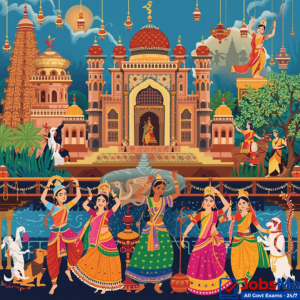
Indian Art & Culture: Complete Guide for Competitive Exams
Indian Art & Culture represents the diverse heritage of India, shaped by thousands of years of history, religions, kingdoms, and artistic expressions. This guide covers major components of Indian culture that frequently appear in UPSC, SSC, Banking, Railways, and state-level exams.
1. Indian Architecture
India’s architecture evolved through ancient, medieval, and modern periods:
a) Ancient Architecture
- Harappan architecture – Town planning, Great Bath, Granaries
- Mauryan period – Ashokan pillars, rock-cut caves
- Gupta period – Temple architecture, Ajanta caves
b) Temple Styles
- Nagara (North India): Curvilinear shikhara, examples – Khajuraho
- Dravida (South India): Pyramid-shaped gopuram, examples – Brihadeeswara Temple
- Vesara (Deccan): Fusion of both, examples – Hoysala temples
2. Indian Classical Dances
There are 8 classical dance forms:
- Bharatanatyam
- Kathak
- Kathakali
- Kuchipudi
- Odissi
- Manipuri
- Mohiniyattam
- Sattriya
Each dance form has unique costumes, expressions, and music traditions.
3. Indian Music
Indian music has two major classical traditions:
- Hindustani music (North India)
- Carnatic music (South India)
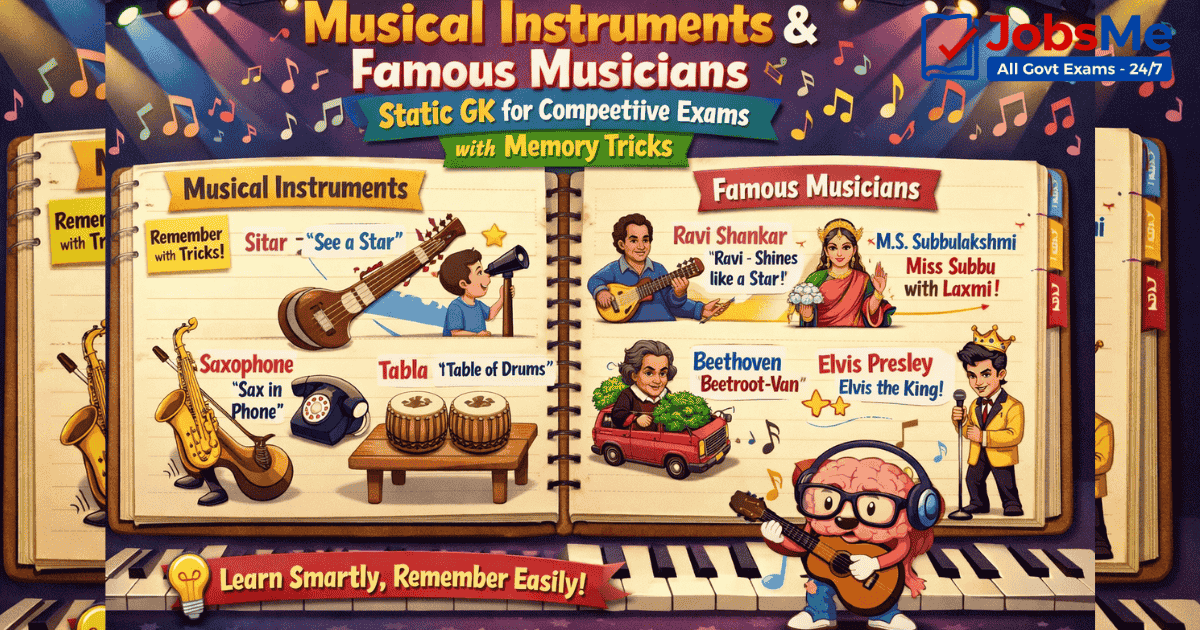
Important components include ragas, talas, gharanas, and classical instruments like sitar, veena, sarod, tabla, mridangam, and flute.
4. Indian Paintings
Major schools of painting:
- Mughal School – Jahangir period masterpieces
- Rajput School – Mewar, Marwar, Bundi styles
- Pahari School – Miniature paintings
- Bengal School – Abanindranath Tagore
- Madhubani, Warli, Kalamkari – Folk & tribal art forms
5. Literature & Languages
Indian literature spans ancient to modern periods:
- Vedic literature – Samhitas, Brahmanas, Aranyakas, Upanishads
- Epics – Ramayana, Mahabharata
- Classical literature – Kalidasa’s works
- Sangam literature – Ancient Tamil texts
- Medieval Bhakti & Sufi poetry – Kabir, Tulsidas, Meera Bai
22 languages are recognized in the 8th Schedule of the Indian Constitution.
6. Religions & Philosophy
India is home to several world religions:
- Hinduism
- Buddhism
- Jainism
- Sikhism
- Islam
- Christianity
Philosophical schools include Nyaya, Sankhya, Yoga, Vaisheshika, Mimamsa, Vedanta, and Buddhist philosophies.
7. UNESCO World Heritage Sites
India has 42 UNESCO World Heritage Sites, including:
- Taj Mahal
- Qutub Minar
- Hampi
- Khajuraho
- Sanchi Stupa
- Western Ghats
- Sundarbans
8. Festivals of India
Indian festivals represent unity in diversity:
- Diwali
- Holi
- Eid
- Christmas
- Pongal
- Onam
- Navratri
- Guru Nanak Jayanti
Exam Importance
Indian Art & Culture is highly important for:
- UPSC Prelims & Mains
- SSC CGL & CHSL
- Banking exams (IBPS, SBI)
- Railways
- State PSC exams
Candidates should focus on architecture, dance, music, religion, literature, and heritage sites.
Free quiz • No signup required
Put this topic into practice with Indian Cultural Institutions – Static GK MCQ Quiz. It is the quickest way to reinforce what you just learned.

About the author